

Kitchen & Daily Living Aids - Assistive Technology for Independence at Home
Kitchen and daily living aids are designed to support independence, safety, and confidence with everyday tasks at home. These products help reduce physical strain, improve control, and make daily routines more manageable for children and adults with additional support needs.
From safe food preparation to supported eating and drinking, our range is used at home, in supported accommodation, in NDIS-funded programmes, and in schools and therapy settings across Australia.
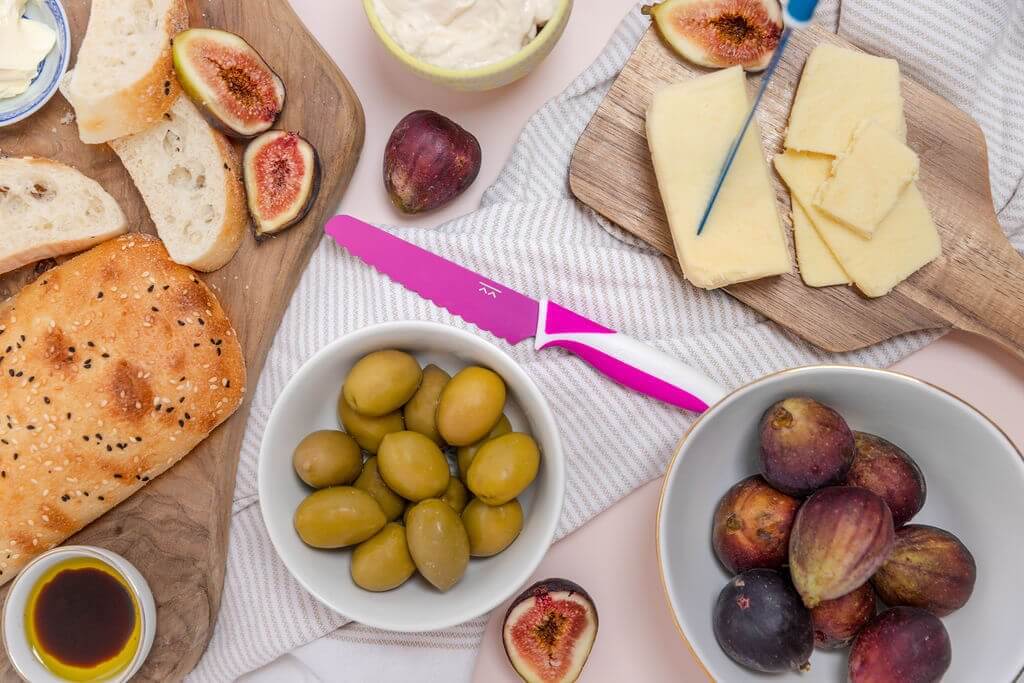
KiddiKutter - Safe Knives for Kids and People Learning Kitchen Skills
KiddiKutter makes the world's safest kitchen knives - engineered to cut food effectively without being able to cut skin. Designed originally for children, they're equally valuable for adults learning kitchen skills, people with disability, and anyone who benefits from safer food preparation.
Used by occupational therapists, special education kitchens, and families across Australia, KiddiKutter tools build confidence and participation in cooking activities that might otherwise feel out of reach. Available in individual and multi-pack options — ideal for home, classroom, and therapy kitchen use.
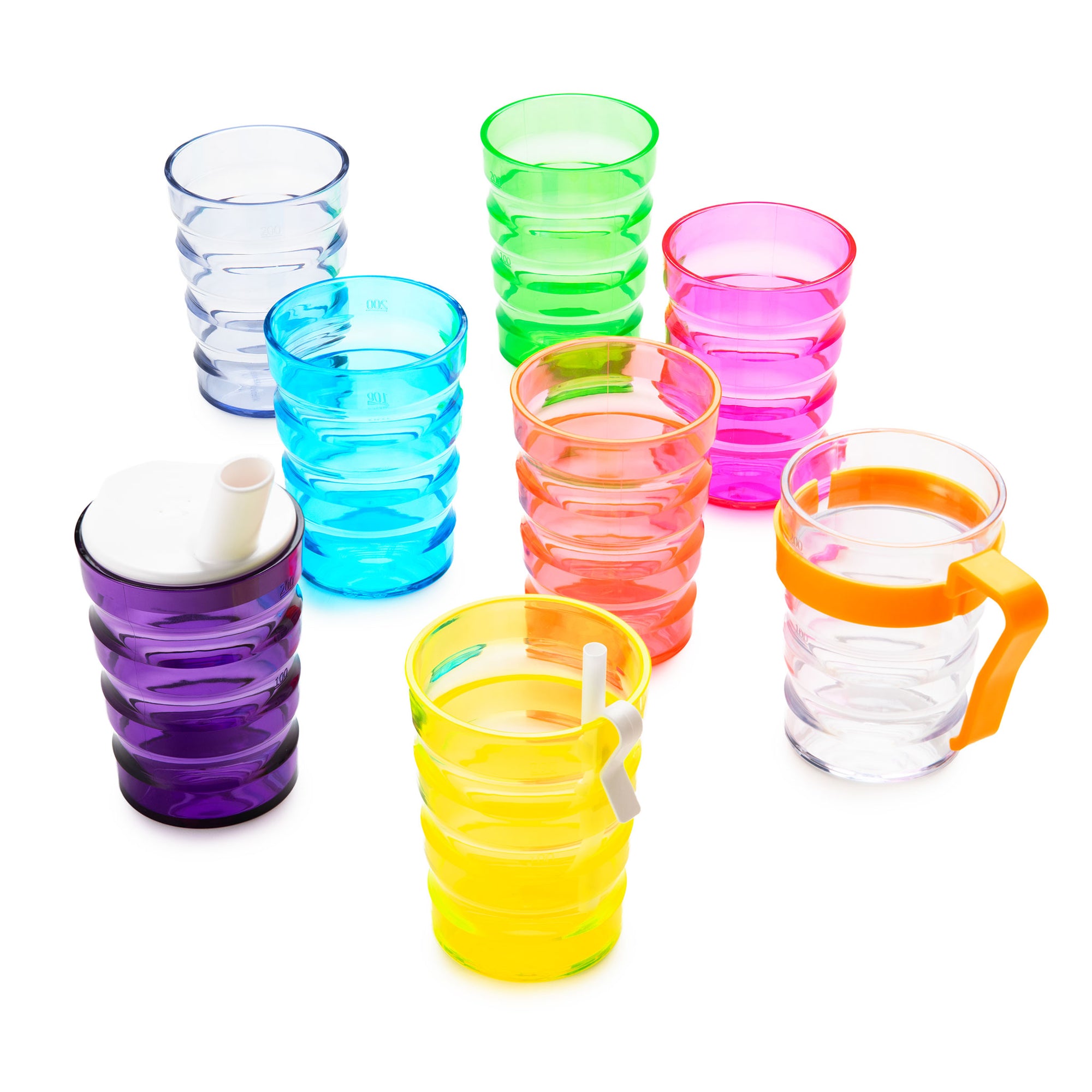
Cups & Drinking Supports
Our range of adaptive cups and drinking supports helps make hydration safer, easier, and more independent. Products include two-handled cups for improved grip, weighted bases to reduce tipping, nosey cut-out cups for easier head positioning, and lids and straws for controlled flow.
Commonly recommended by occupational therapists and speech pathologists for people with reduced grip strength, coordination challenges, dysphagia, or motor difficulties - and practical for everyday use at home, school, or in supported living.
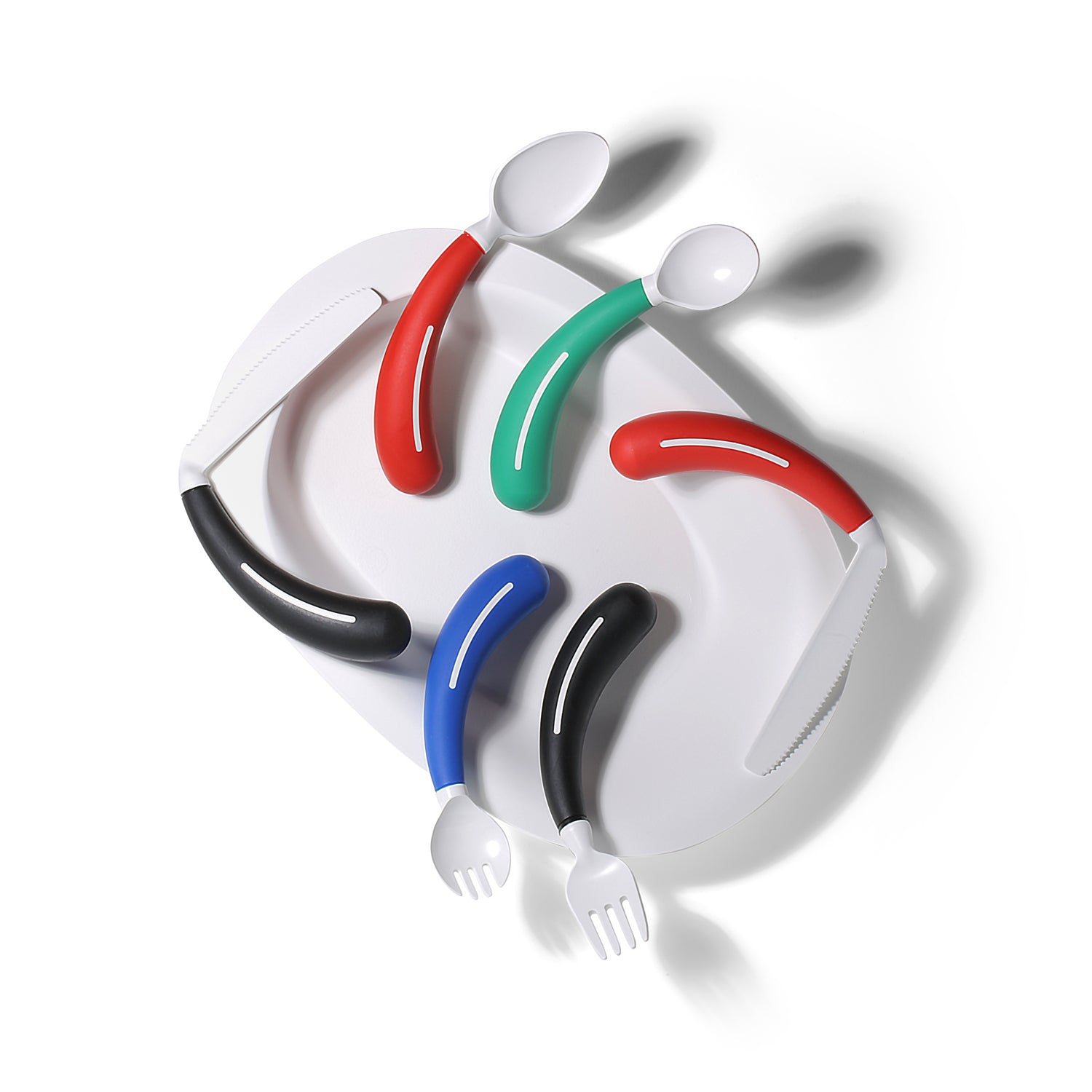
Adaptive Plates & Cutlery
Adaptive plates and cutlery are designed to make independent eating easier, safer, and less effortful. Our range includes scoop plates and plate guards to help contain food, non-slip bases and suction bases to keep plates stable, angled and bent utensils to suit different grip positions, and weighted cutlery for users who benefit from additional sensory feedback.
Suitable for children and adults managing tremor, limited hand function, reduced coordination, or learning independent self-feeding skills. Widely used in schools, therapy settings, and supported homes.

Mealtime Supports & Dining Accessories
Beyond cups and cutlery, a comfortable mealtime involves the right environment and the right supports. Our mealtime range includes protective bibs and clothing protectors for all ages, non-slip mats and placemats to stabilise plates and cups, dysphagia-friendly food prep tools, and positioning supports to help users sit comfortably and safely at the table.
These products work alongside adaptive cutlery and cups to create a full, supported mealtime setup - reducing carer workload and helping individuals eat with greater dignity and independence.
![The KiddiKutter Silicone Cutting Board (Wavy) [Cream] by KiddiKutter securely holds cheese and a knife, with room for veggies and bread, making safe, easy food prep possible—perfect for assistive kitchen use.](http://www.assistivetech.com.au/cdn/shop/files/508A7888.jpg?v=1772787124&width=2000)
Kitchen Aids & Food Preparation Supports
Kitchen aids help make food preparation safer and more manageable for people with limited hand strength, reduced coordination, or difficulty with fine motor tasks. Our range includes jar openers and grip aids, one-handed cutting boards, easy-grip peelers and can openers, and ergonomic kitchen tools designed to reduce wrist and hand strain.
Used at home, in supported accommodation, and in daily living therapy programmes - these products help people participate in cooking and kitchen routines with greater confidence and less reliance on others.
Frequently Asked Questions
What are kitchen and daily living aids used for in occupational therapy?
What are kitchen and daily living aids used for in occupational therapy?
Kitchen and daily living aids are products designed to help people complete everyday tasks - such as food preparation, eating, drinking, and household activities - more safely, independently, and with less physical effort. In occupational therapy, they are commonly prescribed to help clients regain or maintain independence in the kitchen and at mealtimes, compensating for changes in grip strength, coordination, dexterity, or endurance.
Common examples include adaptive cutlery, non-slip mats, jar openers, scoop plates, two-handled cups, weighted utensils, and food preparation boards with stabilising spikes or guards. These products are used across a wide range of conditions including acquired brain injury, stroke recovery, cerebral palsy, autism, intellectual disability, ageing, and progressive neurological conditions. They are used at home, in schools, in supported accommodation, and in therapy settings.
Who uses daily living aids and kitchen assistive technology?
Who uses daily living aids and kitchen assistive technology?
Daily living aids and kitchen assistive technology are used by a wide range of people - from young children learning self-care skills, to adults managing a disability or chronic condition, to older people who want to maintain independence at home.
They are commonly used by people with: cerebral palsy, autism, or intellectual disability; acquired brain injury or stroke; conditions affecting hand and arm function such as arthritis, Parkinson's disease, or multiple sclerosis; dysphagia (swallowing difficulties); sensory processing differences; and anyone with reduced grip strength, coordination challenges, or fatigue that makes everyday kitchen tasks harder.
Occupational therapists frequently recommend and prescribe these products as part of daily living assessments and NDIS plans. Assistive Tech stocks a broad range suitable for children and adults across all support levels.
Are kitchen and daily living aids safe and suitable for children?
Are kitchen and daily living aids safe and suitable for children?
Yes — many of our kitchen and daily living aids are specifically designed for children, and others are suitable across all ages. The KiddiKutter range, for example, was created specifically for children learning to prepare food safely - using a blade design that cuts food but cannot cut skin.
Adaptive plates, cups, and cutlery in child-appropriate sizes support young people to develop independent eating skills in a safe, low-frustration way. Many of these products are used in early childhood settings, special education classrooms, and paediatric therapy programmes.
When selecting products for children, consider the child's specific grip, coordination, and sensory needs. If you're unsure, the Assistive Tech team can help, or products can be trialled with the support of a paediatric occupational therapist.
Can daily living aids be used in both home and disability support environments?
Can daily living aids be used in both home and disability support environments?
Yes - our kitchen and daily living aids are designed for practical, everyday use and work equally well in family homes, supported accommodation, group homes, day programmes, schools, and therapy clinics.
Many support workers, disability support organisations, and NDIS providers purchase these products for use across multiple clients or participants. Products like adaptive plates, non-slip mats, and drinking cups are low-cost, easy to clean, and require no specialist setup, making them practical additions to any support setting.
For organisations purchasing in bulk, or for participants using NDIS funding, Assistive Tech can provide invoices, quotes, and plan manager documentation. Contact our team on 1300 088 222 for assistance.
Do daily living aids require an occupational therapist recommendation?
Do daily living aids require an occupational therapist recommendation?
Most kitchen and daily living aids are designed to be intuitive and can be purchased and used directly without a formal assessment. Products like KiddiKutter knives, non-slip mats, and two-handled cups require no specialist training to use effectively.
However, for individuals with more complex needs - particularly where dysphagia, positioning, or fine motor challenges are involved - working with an occupational therapist or speech pathologist can help ensure the right product is selected for the individual's specific situation. Some products may also be recommended or funded through an NDIS plan as part of a capacity building or daily activities support category, in which case a therapist's involvement is generally required.
If you need guidance on product selection without an OT, the Assistive Tech team is happy to help by phone or email.
How do I choose the right kitchen or mealtime aid for my needs?
How do I choose the right kitchen or mealtime aid for my needs?
Choosing the right kitchen or mealtime aid depends on the specific task you're trying to support, the individual's functional strengths and challenges, and the environment where it will be used. Here are the most useful questions to consider:
What is the main challenge? Is it grip strength, coordination, spills, cutting safety, or seating position? Different challenges call for different product categories.
Who is the user? A child learning self-feeding has different needs to an adult managing tremor or fatigue. Check size, weight, and sensory features.
What level of independence is the goal? Some products support full independence; others are designed to make tasks easier with carer assistance.
If you are unsure, start with lower-cost items that are easy to trial, or contact the Assistive Tech team for personalised guidance. Many of our customers also trial products through their OT before purchasing.
Are adaptive kitchen and mealtime aids dishwasher safe and easy to maintain?
Are adaptive kitchen and mealtime aids dishwasher safe and easy to maintain?
Most of our kitchen and daily living aids are designed with practical maintenance in mind - many are dishwasher safe or can be easily cleaned with warm soapy water. Products used for eating and food preparation in particular are made from food-safe materials and are designed to withstand regular cleaning in home and care settings.
Specific care instructions vary by product and brand. Always check the individual product page or packaging for dishwasher suitability, temperature ratings, and recommended cleaning methods - particularly for products with foam grips, weighted components, or electronic parts.
If hygiene is a priority (for example, in shared support environments or medical settings), look for products without foam inserts or textured surfaces that can be harder to clean thoroughly. The Assistive Tech team can advise on the most practical options for your setting.