

Apple Assistive Technology - iPad, AAC, Apple Watch & More
Apple devices are some of the most powerful tools in assistive technology - built for accessibility from the ground up. Whether you're supporting communication, learning, daily routines, or independence, explore our curated collections to find the right solution for you.
![The Apple 11-inch iPad Wi‑Fi + Cellular 256GB A16 (11th Gen) [Blue] is shown with both front and back views, displaying a modern design and an 11-inch Liquid Retina display featuring four colorful overlapping ovals.](http://www.assistivetech.com.au/cdn/shop/files/ipad-2022-hero-blue-cell-select_9b65506d-4bb0-4a8a-81d7-3f753d481387.jpg?v=1772852860&width=2000)
iPad - Australia's #1 Assistive Technology Device
iPad is the foundation of modern assistive technology. Trusted by AAC users, therapists, educators, and families across Australia, its intuitive touchscreen, portability, and compatibility with specialist apps make it one of the most versatile devices available.
iPads are used every day for:
- Communication and AAC
- Learning and literacy support
- Visual schedules and routines
- Therapy and skill-building activities
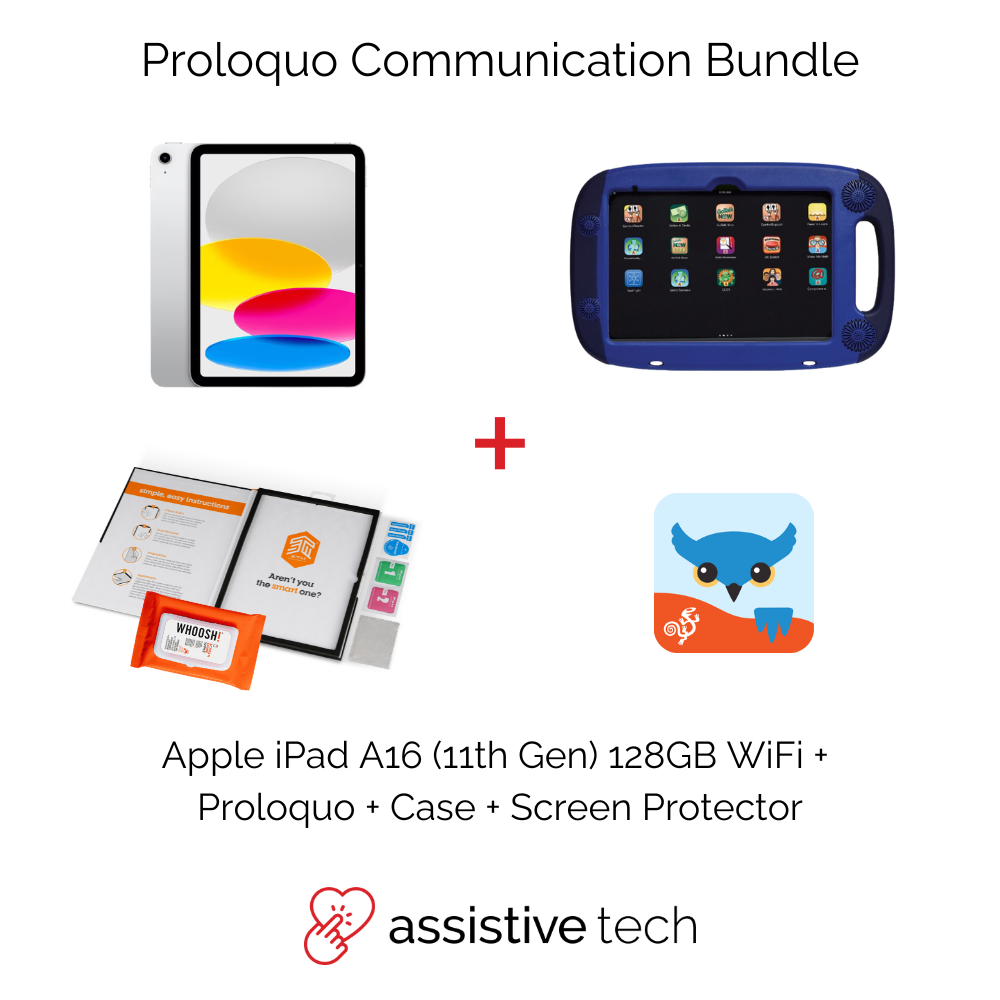
Ready-to-Use iPad AAC Bundles
Get everything you need in one place. Our iPad AAC bundles pair the right iPad with compatible communication apps and protective accessories - pre-matched so you don't have to guess. Ideal for new AAC users, school programmes, or anyone streamlining their setup.
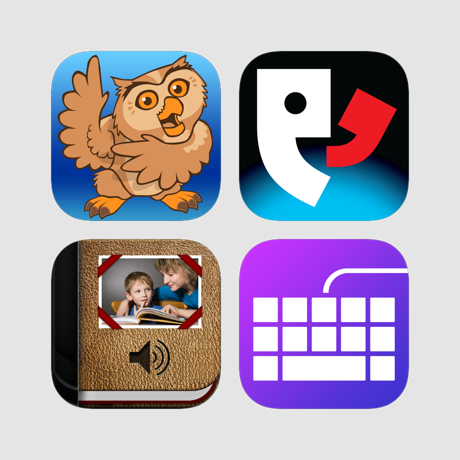
AAC Apps That Give People a Voice
The right AAC app can transform an iPad into a powerful voice. We stock Australia's leading symbol-based, text-based, and voice-output communication apps - all compatible with iPad and designed to grow with the user's communication journey.
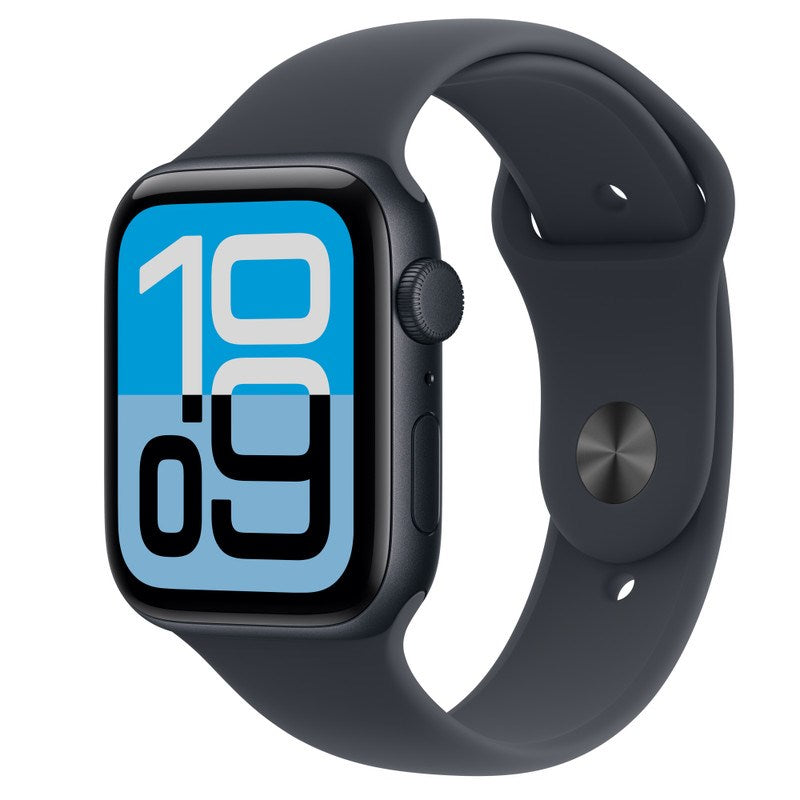
Apple Watch for Routine & Independence
Apple Watch is a discreet, always-on support tool for independence. Use it for reminders, routine prompts, time awareness, and haptic alerts - right on the wrist. A perfect companion to iPad for people who benefit from structure and gentle cues throughout the day.
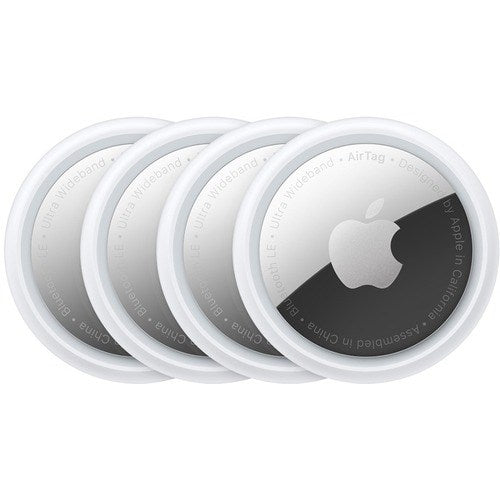
AirTag - Never Lose the Things That Matter
Losing track of important items is a real source of anxiety for many AAC users and their families. AirTag attaches to bags, keys, communication devices, and everyday essentials - so they're always easy to find. A small addition that makes a big difference to daily independence.
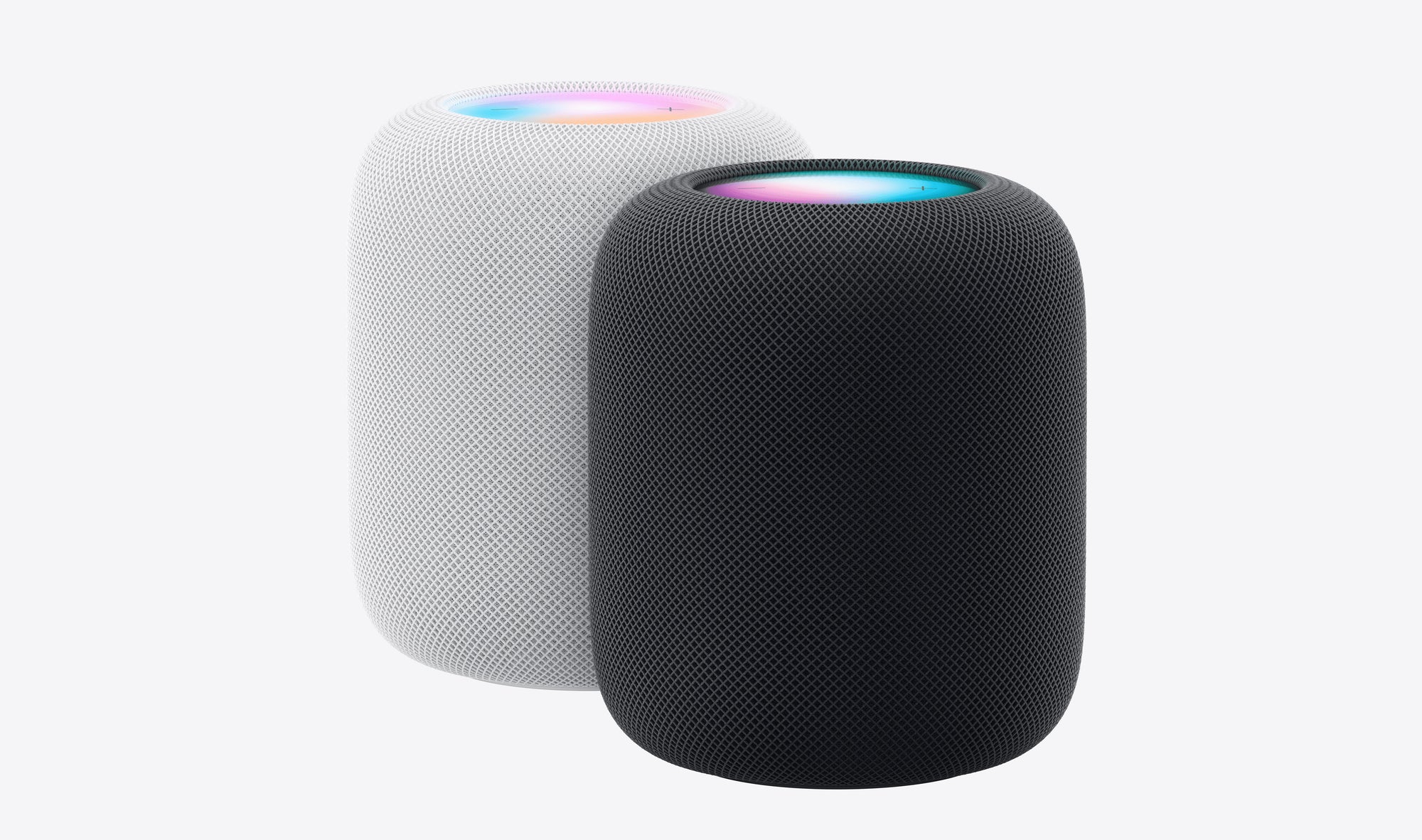
HomePod - Hands-Free Voice Control at Home
HomePod brings hands-free voice control and rich audio into the home. Use Siri to set reminders, play music, control smart home devices, and support daily routines - all without touching a screen. A great whole-home companion for Apple accessibility setups.
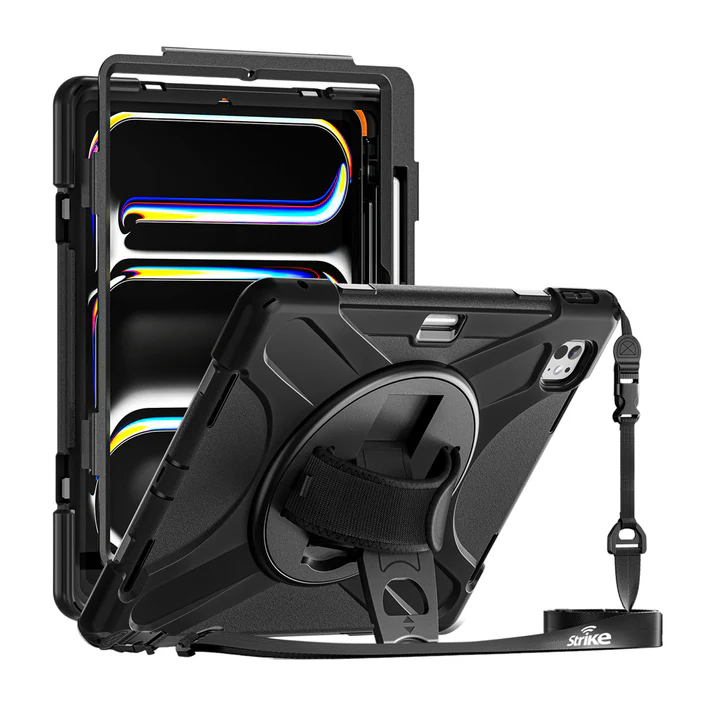
Rugged iPad Cases Built for AT Use
Protect your investment and keep your iPad in the field. We stock rugged cases and screen protectors chosen specifically for assistive technology use - built to handle therapy rooms, classrooms, and everyday life. Many are compatible with mounts, straps, and positioning accessories too.
iPad Accessories for Physical Access & Mounting
Not every iPad setup looks the same. Our range of mounts, keyboards, switches, and stands helps adapt the iPad for every user's physical needs - whether that's eye gaze compatibility, switch access, wheelchair mounting, or comfortable positioning for extended use.
Frequently Asked Questions
Why are Apple devices so widely used in assistive technology?
Why are Apple devices so widely used in assistive technology?
Apple devices are among the most widely used platforms in assistive technology for several reasons. First, accessibility is built into every Apple device at the operating system level - features like VoiceOver (screen reader), Switch Control, AssistiveTouch, Guided Access, and AAC app compatibility come standard on every iPhone and iPad, with no additional software required to activate them.
Second, Apple's ecosystem is uniquely consistent. The same AAC apps, accessibility settings, and configuration profiles work across iPad, iPhone, and Apple Watch, making it easier for therapists, educators, and families to support a person across different environments.
Third, the sheer range of specialist apps available on the App Store - including Proloquo2Go, Snap Core First, TouchChat, and Grid - means the iPad can be configured as a communication device, a visual schedule tool, a learning platform, or a therapy aid depending on the user's needs.
Assistive Tech is an Apple Authorised Reseller and NDIS Registered Provider, stocking the full range of Apple hardware alongside the apps, cases, mounts, and accessories needed for real-world AT use.
Is an iPad classed as assistive technology for NDIS or therapy purposes?
Is an iPad classed as assistive technology for NDIS or therapy purposes?
Yes - an iPad can be formally classified as assistive technology when it is configured and used to support a functional goal related to communication, learning, daily living, or independence. In the context of the NDIS, an iPad is not considered AT simply because it is an iPad; it becomes AT when it is prescribed or recommended by a therapist, loaded with appropriate software (such as an AAC app), and used to address a participant's specific functional need.
For example, an iPad running Proloquo2Go as a primary communication device for a non-speaking person is considered a communication aid - but you will need approval from the NDIS prior to purchase via a Replacement Supports Application. The same iPad used primarily for general entertainment would not meet that threshold.
Schools and therapy programmes also commonly classify iPads as AT when they are used within a documented support plan. Configuration matters: apps, accessibility settings, protective accessories, and mounting solutions all contribute to how the device functions as an AT tool.
If you're unsure whether an iPad qualifies as AT for your circumstances, speak with your NDIS planner, support coordinator, or therapist - and feel free to contact the Assistive Tech team for guidance on product selection and ordering.
What is AAC on iPad and which apps are available in Australia?
What is AAC on iPad and which apps are available in Australia?
AAC stands for Augmentative and Alternative Communication. On iPad, AAC refers to the use of specialist apps that support people who have difficulty with spoken communication - including those with autism, cerebral palsy, acquired brain injury, motor neurone disease, or other conditions affecting speech.
AAC apps on iPad work by presenting symbols, letters, words, or phrases that the user selects to generate spoken output. There are three main types: symbol-based AAC (where the user taps pictures or icons), text-to-speech (where the user types and the app speaks the text), and combined apps that offer both approaches.
Popular AAC apps available in Australia and compatible with iPad include:
- Proloquo2Go - one of the most widely used symbol-based AAC apps, designed for a range of ages and language levels
- Snap Core First - a flexible system used in schools and therapy settings
- TouchChat HD - a feature-rich option with multiple vocabulary sets
- Grid for iPad - supports AAC, environmental control, and switch access
- Predictable - text-based AAC for users with good literacy
AAC apps on iPad can be personalised with the user's own vocabulary, photos, and voice preferences, and can grow with the person over time. They are commonly recommended and configured by speech pathologists as part of a communication support plan.
What is included in an iPad AAC bundle and who are they for?
What is included in an iPad AAC bundle and who are they for?
An iPad AAC bundle combines the hardware, software, and protective accessories needed to set up an iPad as a communication or assistive technology device - all in one purchase. Rather than buying each component separately and checking compatibility yourself, bundles are pre-matched to ensure everything works together from day one.
A typical iPad AAC bundle from Assistive Tech includes an iPad (usually the standard iPad or iPad mini depending on the user's needs), a rugged protective case suitable for AT use, and include an AAC app. Some bundles include additional accessories such as screen protectors, straps, or styluses.
iPad AAC bundles are particularly useful for: families setting up a first communication device for a child; schools and therapy services equipping multiple students; NDIS participants whose plan includes funding for a communication device; and support coordinators managing device procurement across multiple clients.
Assistive Tech is an NDIS Registered Provider, which means we understand the approval and payment process. Our team can assist with product selection, quotes for plan managers, and guidance on configuration.
Are Apple devices and AAC apps suitable for use in schools, therapy clinics, and support programmes?
Are Apple devices and AAC apps suitable for use in schools, therapy clinics, and support programmes?
Yes - Apple devices are among the most commonly used platforms in Australian schools, therapy clinics, early intervention programmes, and disability support environments. iPad in particular is the device of choice for many speech pathologists, occupational therapists, and special education teachers because of its reliability, the range of specialist apps available, and Apple's consistent accessibility features.
For shared or high-use settings, iPads can be configured with Guided Access to lock the device to a single app, preventing accidental navigation. Managed Apple IDs and Apple School Manager allow schools to deploy, manage, and update multiple devices from a central dashboard.
For physical durability, protective cases designed for AT use - such as those from Attainment, OtterBox, Strike, and Unistrut-compatible mounting systems - help iPads withstand the demands of classroom or clinic use. Screen protectors and styluses suitable for low fine motor users are also available.
Assistive Tech supplies many schools, therapy practices, and disability service providers across Australia. We can provide bulk pricing, invoicing suitable for schools and NDIS service providers, and support with product selection based on specific programme requirements.
Can I use NDIS funding to buy an iPad, AAC app, or Apple assistive technology?
Can I use NDIS funding to buy an iPad, AAC app, or Apple assistive technology?
In many cases, yes - Apple devices, AAC apps, and AT accessories can be purchased using NDIS funding, provided you seek approval before purchase via a Replacement Supports Application.
Common Apple AT purchases supported by NDIS funding include: iPad as a communication device (when paired with an AAC app and recommended by a speech pathologist), AAC apps such as Proloquo2Go or Snap Core First, protective cases and mounting systems, Apple Watch for routine and independence support, and AirTag for safety and location support.
Which NDIS budget can be used depends on the item and the participant's plan. Communication devices and AAC apps are typically funded under Assistive Technology (Capital Supports). Some lower-cost items may fall under Consumables. Your support coordinator or therapist can advise on the right category and whether a quote or AT assessment report is required.
Assistive Tech is a registered NDIS provider and can issue invoices, quotes, and supporting documentation to assist with plan manager payments and AT funding claims. Contact our team on 1300 088 222 or at support@assistivetech.com.au for help with your order.
How can Apple AirTag be used as an assistive technology tool for daily living?
How can Apple AirTag be used as an assistive technology tool for daily living?
Apple AirTag is a small, coin-sized tracking device that attaches to everyday items and lets the user locate them using the Find My app on iPhone or iPad. In an assistive technology context, AirTag is particularly useful for people who frequently misplace essential items - a common challenge for those with ADHD, memory difficulties, cognitive disability, or anxiety.
Attaching an AirTag to a communication device, school bag, keys, wallet, or medication bag means that if the item is misplaced, the user or a carer can locate it via the Find My app - using sound, a map, or Precision Finding (on newer iPhone models). This can significantly reduce the time, frustration, and anxiety associated with lost items, particularly in time-sensitive situations like school mornings or leaving for medical appointments.
AirTag uses Apple's crowd-sourced Find My network, meaning it can be located even when out of Bluetooth range of the owner's device - without sharing location data with Apple or other users.
AirTag is available individually or in four-packs, and a range of holders and cases are available to attach it to bags, lanyards, keyrings, and wheelchair accessories. It is compatible with any iPhone running iOS 14.5 or later.